ASTRA WORLD
An open ecosystem for telescope designs, shared knowledge, and a future network of independent observers.
Build one. Connect many. Observe together.
An affordable radio telescope. A vision for a global community exploring the same sky.
One prototype today. A shared observatory in the making.
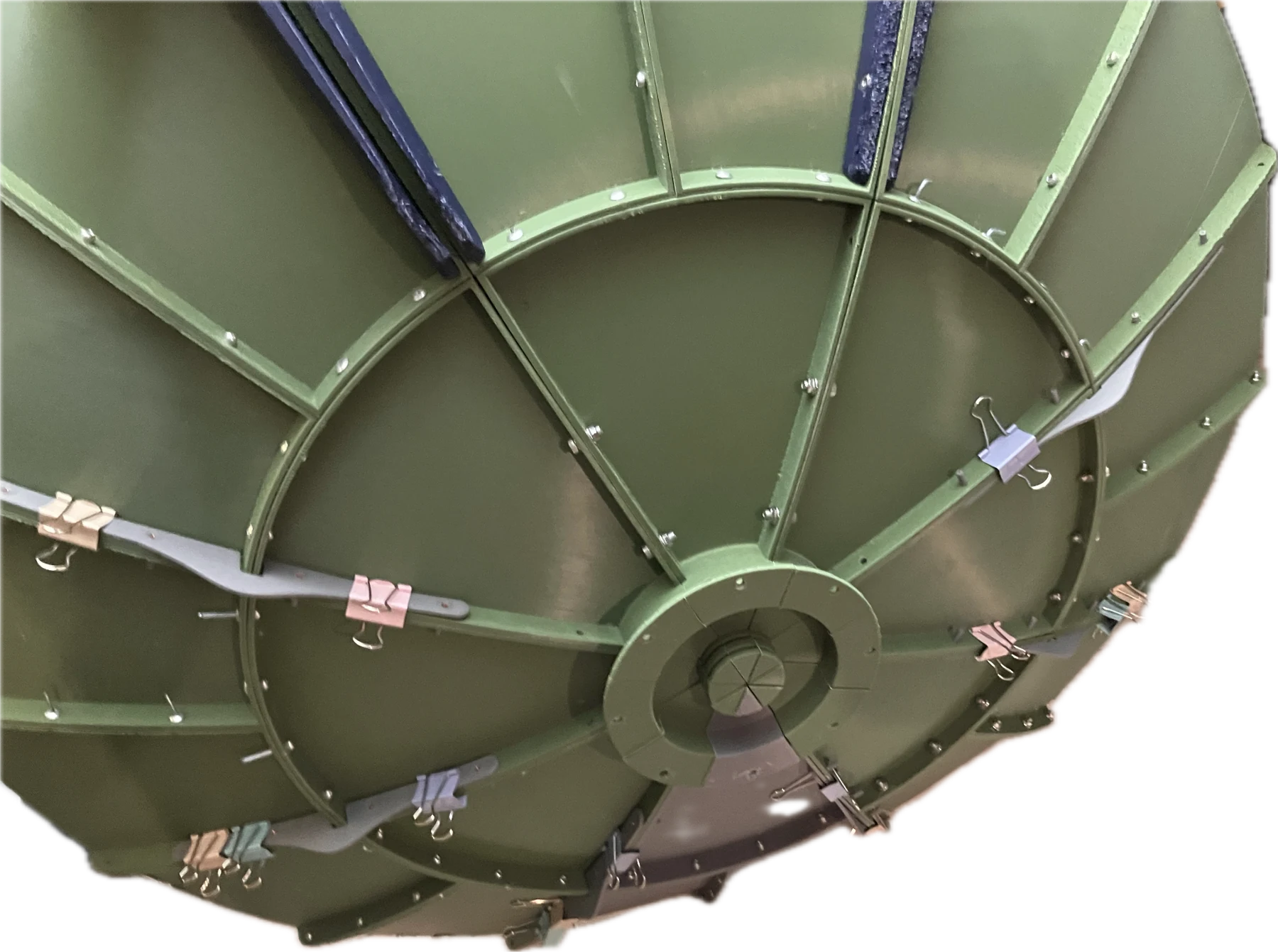
Start with the instrument. See how a community of builders could take it further.
An open ecosystem for telescope designs, shared knowledge, and a future network of independent observers.
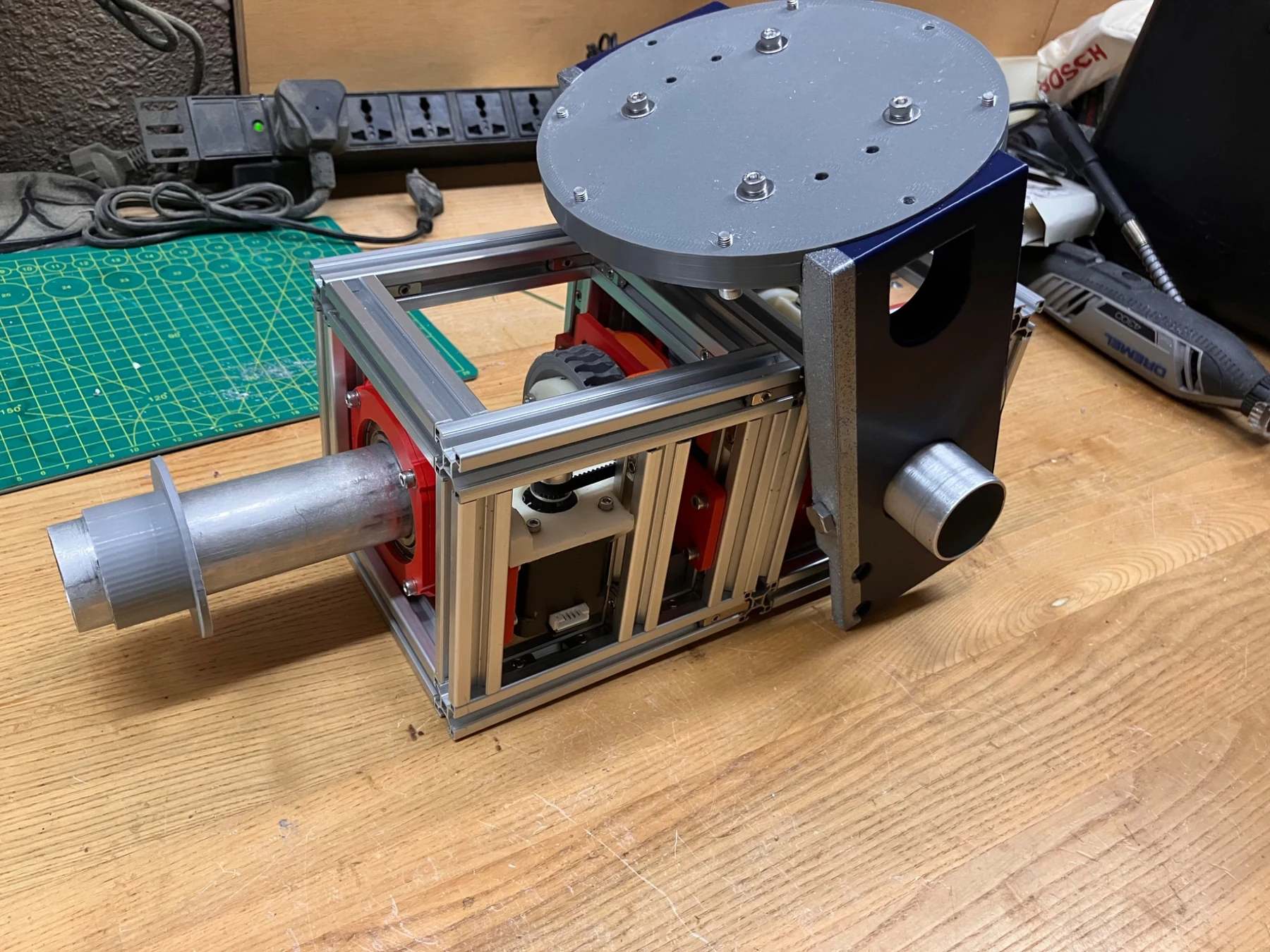
A one-metre radio telescope built from modular printed parts, accessible electronics, and hands-on experimentation.
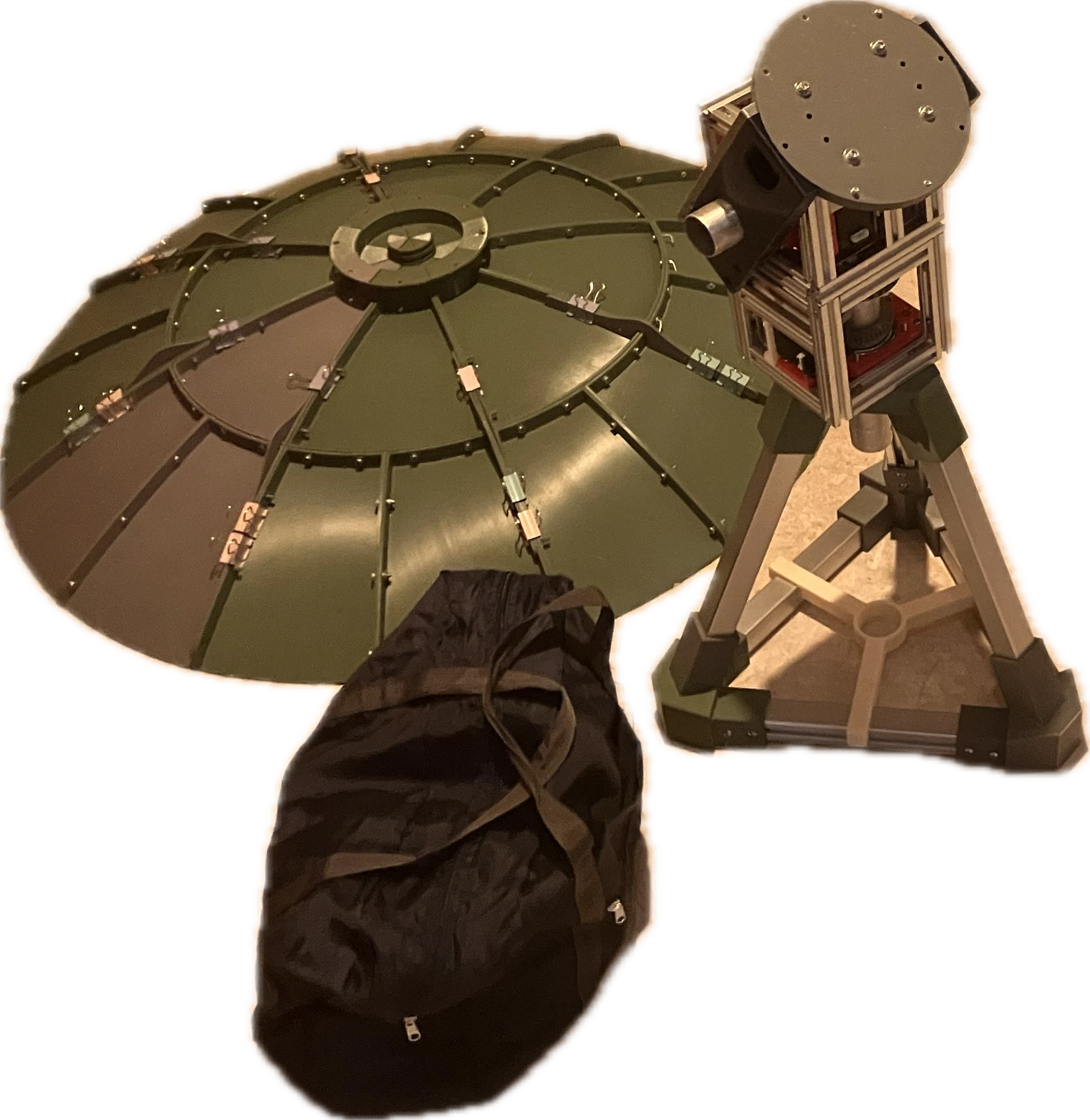
ASTRA began with a simple question: how can students build and learn with a radio telescope of their own?
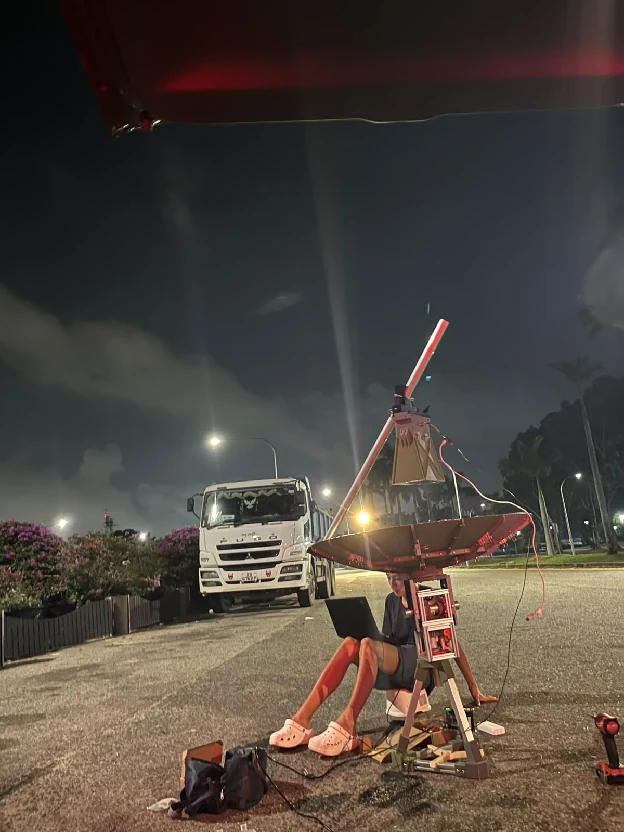
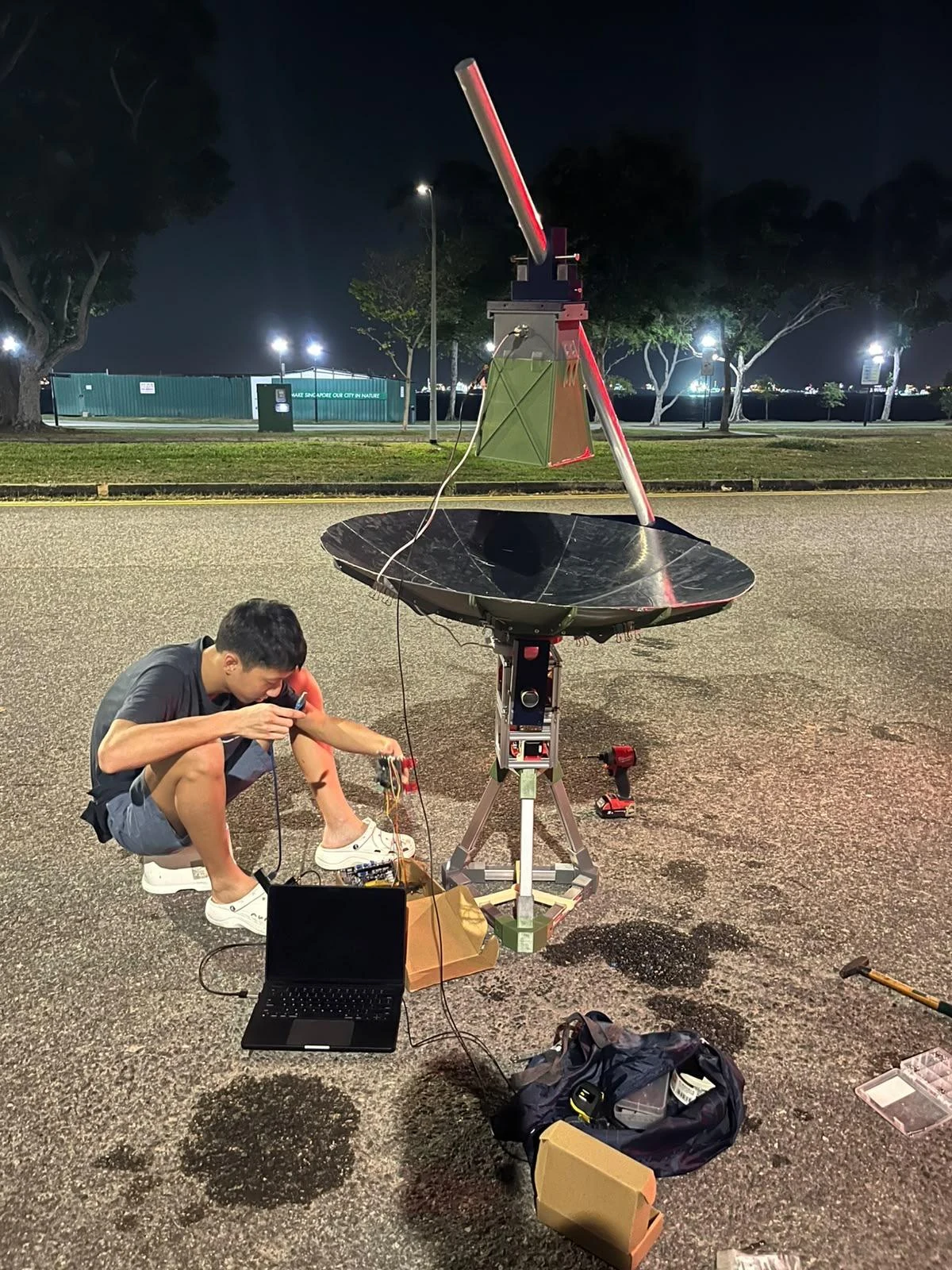
The first field test at East Coast Park brought the prototype out of the workshop. It also revealed the next engineering challenges, from mechanical rigidity to receiver calibration.
Read the test results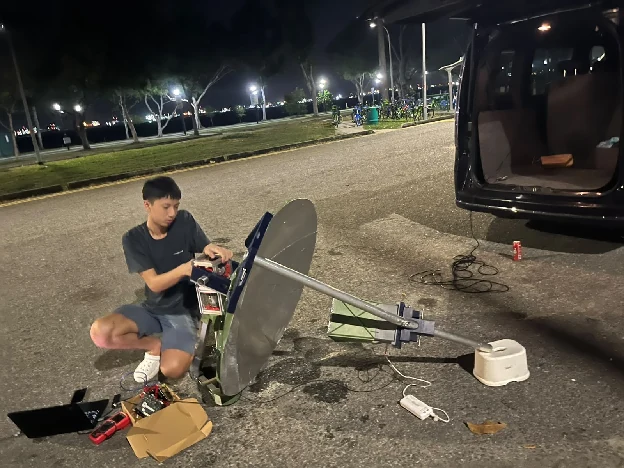
We’re working on reliable signal reception and planning a community forum, telescope connections, and future interferometry experiments.
See what’s next for ASTRA